Regain Confidence. Restore Stability.
Balance and gait disorders are common conditions, especially in older adults, that can significantly impair mobility and increase the risk of falls and serious injury. Whether temporary or chronic, these issues require timely and specialized care to prevent further complications.
What Are Balance and Gait Disorders?
Balance refers to the ability to maintain your body’s center of gravity, while gait refers to the way you walk. Disorders in either can make walking difficult and increase the likelihood of falls.
These problems can result from:
- Neurological conditions (e.g., stroke, Parkinson’s disease, brain tumors)
- Inner ear disorders (e.g., vertigo, vestibular dysfunction)
- Musculoskeletal issues or injuries
- Vision problems
- Obesity or migraines
- Nerve damage causing numbness in one or both legs
Common Symptoms of Balance and Gait Disorders
- Unsteadiness while walking
- Frequent tripping or falling
- Numbness or tingling in the legs
- Difficulty standing up straight
- Dizziness or lightheadedness
How We Can Help:
At Sharma Rehabilitation Services, our physical therapists will conduct a thorough assessment to identify the underlying cause of your balance and gait disorder. Your personalized rehabilitation plan may include:
- Balance training and stabilization exercises
- Strengthening and flexibility routines
- Vestibular therapy (if related to inner ear dysfunction)
- Gait retraining with assistive devices, if necessary
- Fall prevention strategies and home safety recommendations
Take the First Step Toward Stability
Early intervention is key. Don’t wait for a fall or injury; if you or a loved one is experiencing balance issues, contact us today to begin a safe, guided recovery program.
The next section shows some of our solutions to treat your pain:
How We Treat
Our Treatments
We create personalised treatment plans for each patient. We will take the time to get to know your specific needs and goals, and will devote ample time to your complete recovery.
See some of our treatment plan modalities
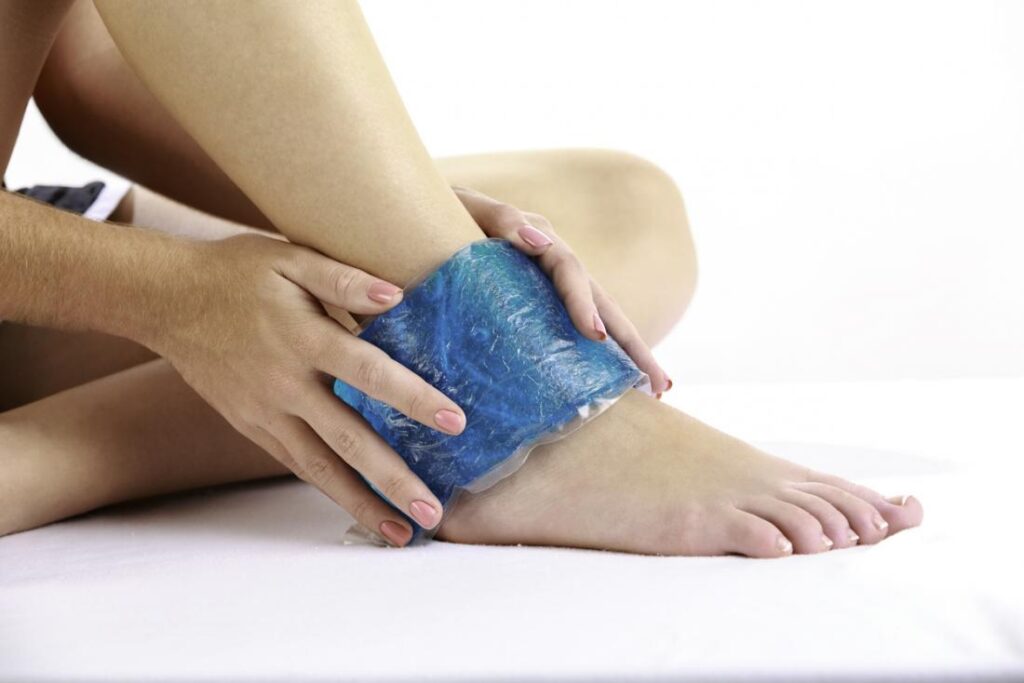
Heat & Ice Therapy
Relieves pain, reduces inflammation, improves circulation, and speeds recovery from joint injuries.
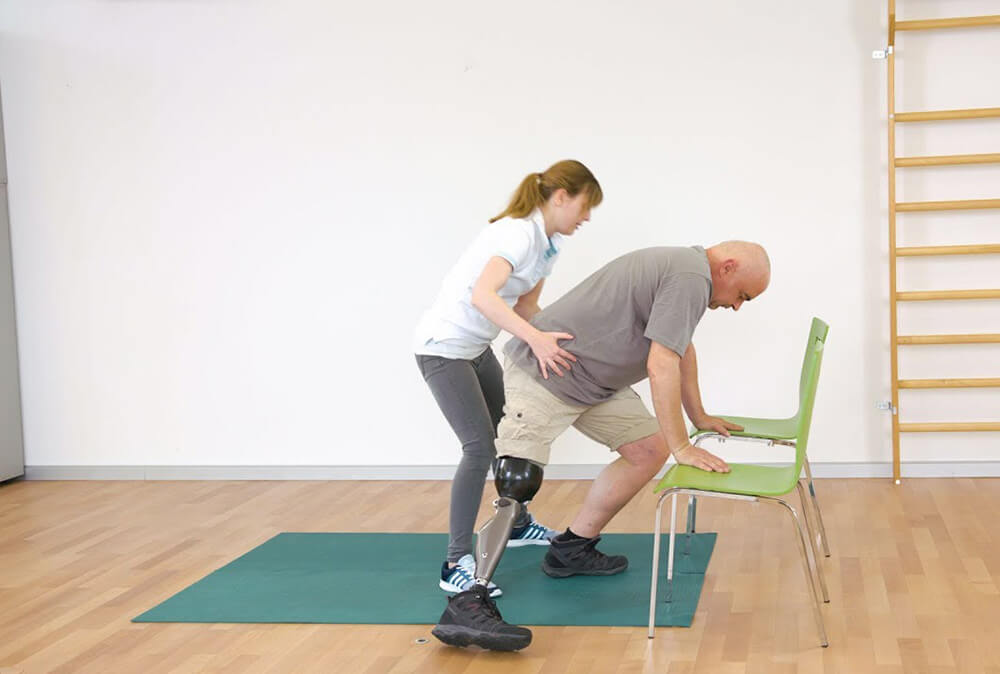
Balance Proprioception And Gait Training
This improves balance, mobility, strength, and coordination after injury or neurological disorders.
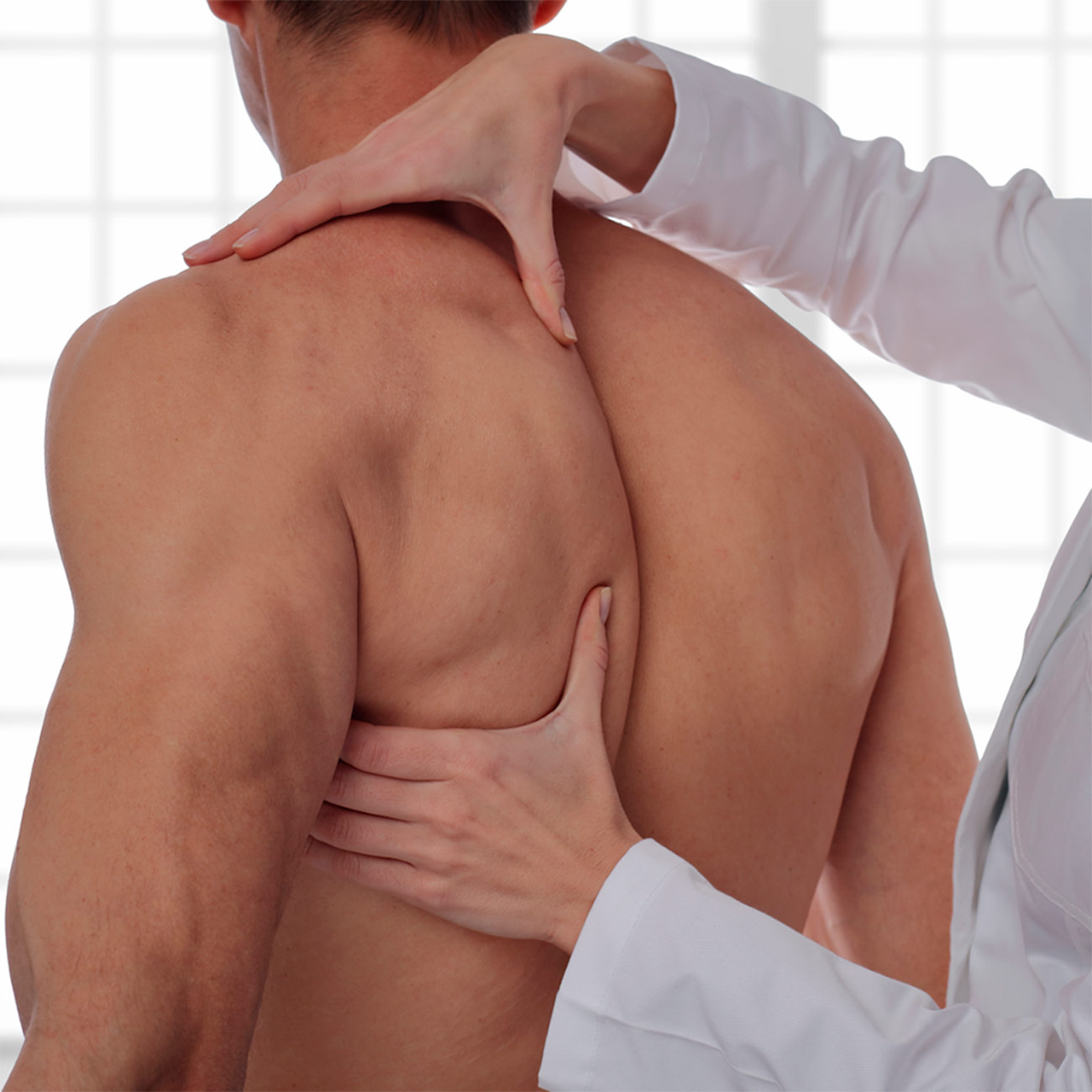
Postural Re-Education
Improves posture, reduces pain, boosts energy, and prevents musculoskeletal and spinal issues.
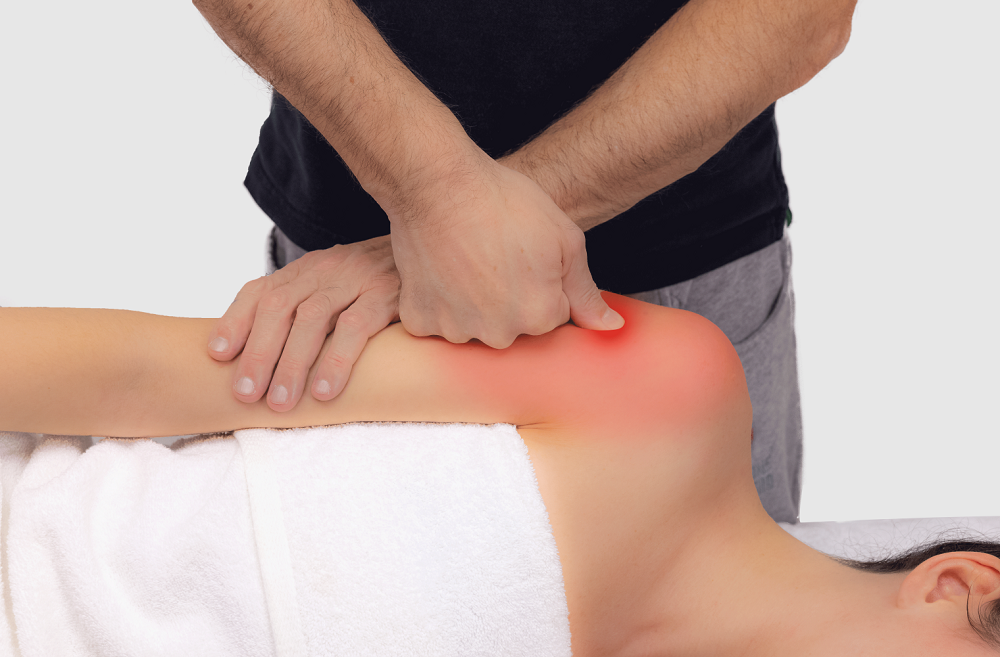
Trigger Point Therapy
Relieves pain by targeting muscle trigger points causing referred or localised discomfort.
Our Specialists
Our Dedicated Therapists
The physical therapy at Sharma Rehabilitation is the best-in-class, top-rated physical therapy in Queens, NYC. Meet our team of therapists.

Bindu Sharma
Physical Therapist
Bindu Sharma is a seasoned New York State licensed physical therapist with over 15 years of experience practising in the NYC area.

Sherry Ann Sumira
Physical Therapist
A New York licensed physical therapist with over 10 years of experience in a wide range of musculoskeletal and orthopaedic conditions.

Devengi Patel
Physical Therapist
A New York licensed physical therapist with experience treating a diverse range of orthopedic, neurologic, pediatric, and sports-related conditions.
Contact us
Start Your Recovery Today
Sharma Rehabilitation Services has skilled and compassionate team who tailor each session to your specific needs—helping you recover from injury, manage chronic pain, or improve mobility. Patients love our welcoming environment, dedicated therapists, and long-term care approach that truly makes a difference.
Even if it’s your first time in physical therapy or your fifth, we’ll make it count. Call us or request an appointment online — and take the first step toward healing.
FAQs
What’s the difference between a balance disorder and a gait disorder?
The control of your body’s center of mass is referred to as the ‘ Balance,’ and the way in which your body walks is called a ‘Gait’. These two are strongly interrelated, so Balance Disorder Treatment will focus on both aspects to improve both your stability and gait pattern.
What conditions can cause balance or gait problems?
A wide range of factors can be behind it: neurological conditions like stroke or Parkinson’s, inner ear disorders, vision problems, or even nerve damage in the legs. Gait Treatment in Queens starts with a thorough assessment to pinpoint exactly which of these is driving your symptoms.
What are the warning signs I shouldn’t ignore?
Tripping, wobbling on your feet, difficulty walking, numbness in the legs, or dizziness are big warning signs! If these signs are appearing, see if treatment for balance disorders in Queens could address the problems before you take a fall.
Is this only a concern for older adults?
While it’s more commonly found in elderly individuals, balance and gait problems can occur in people of any age that have an inner ear problem, an injury, or a neurological problem. Age is nothing to Gait Treatment because your plan is tailored to your specific cause and risk factors – not age category.
What does a personalized treatment plan actually include?
Depending on your evaluation, your program may include balance exercises, muscle building, vestibular therapy to address inner ear problems, and if necessary, walking re-education with the help of assistive devices. This is the essence of how treatment of balance disorders is personalized to each patient instead of using a single solution for all.
Can physical therapy actually reduce my risk of falling?
Yes, that’s one of the primary goals. Through targeted stabilization exercises and fall prevention strategies, Gait Treatment helps rebuild the strength and coordination that keep you steady on your feet, at home and out in the community.
My dizziness seems to come from my inner ear. Can that be treated with physical therapy?
Absolutely. If the source of your condition is dizziness or vestibular dysfunction, our Queens therapists can use our unique approach to vestibular treatment within Balance Disorder treatment to re-educate and rewire your brain to interpret inner ear balance signals properly.
How soon should I get evaluated after a fall or near-fall?
As soon as possible. Early intervention makes a real difference, and starting Gait Treatment in Queens before a minor issue becomes a serious injury gives you the best chance at a full, lasting recovery.
 English
  Español de México